

November’s featured photographer is Ursula Jahn
Ursula Jahn (São Sebastião do Caí, RS, Brazil, 1994) works as a photographer and visual artist. Her practical and theoretical research in photography is marked by an autobiographical bias that addresses the perception of the body, self-image, ancestral memory and the poetics of hybrid processes.
Photography, performance, video, archive material and hybrid processes are part of the photographic poetics she has created.
She participated in several photography festivals within the country, such as the 15th Pérsio Galembeck National Photography Salon (2018), receiving an honorable mention, the Valongo International Image Festival (2018), FestFotoPOA (2019), the 5th Small Meeting of Photography (2019), Maré Foto Festival (2021) among others.
She was part of the Portfolio Show at the 7th Tiradentes Photography Festival in 2017, was selected for the Artistic Residency at the 12th Porto Alegre International Photography Festival in 2019 and in Mulheres em Residência, an online residency organized by Galeria Ponto de Fuga in 2021.
Her work has been published in Bravo Magazine, Old Magazine, Empodere Magazine and Lens Culture.
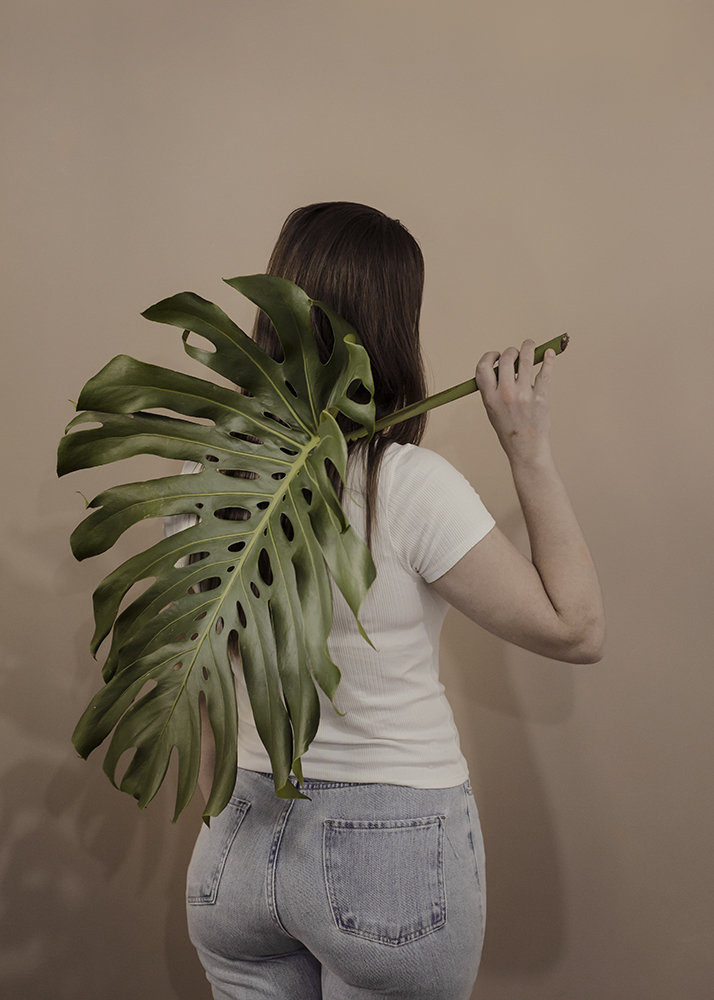
Sobre nomes maternos (maternal surnames) (2020 – 2021).
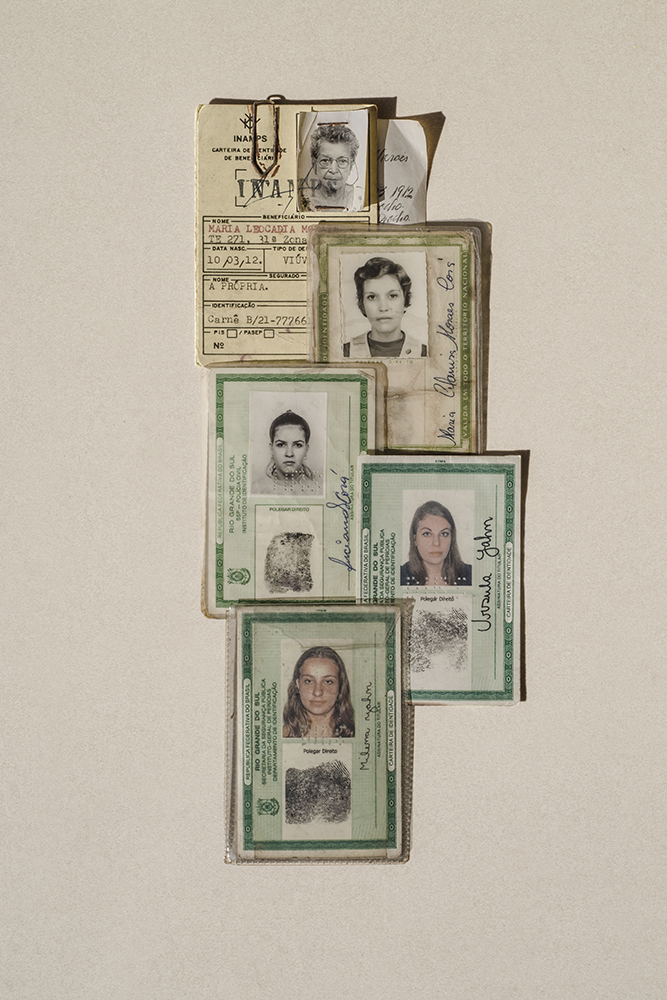
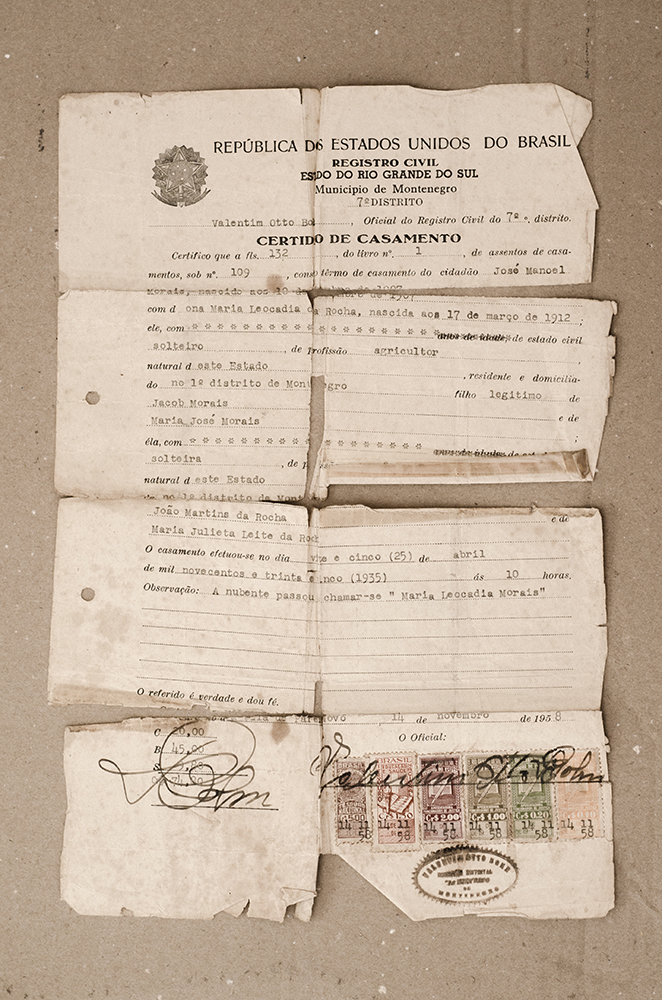
There are many ways for society to make a woman be erased, of society to make it disappear. In the old days, in Brazil, it was common for the father and mother to give their child only the paternal surname. A patriarchal tradition, which perpetuated for many years and in many families. One of those families was mine.
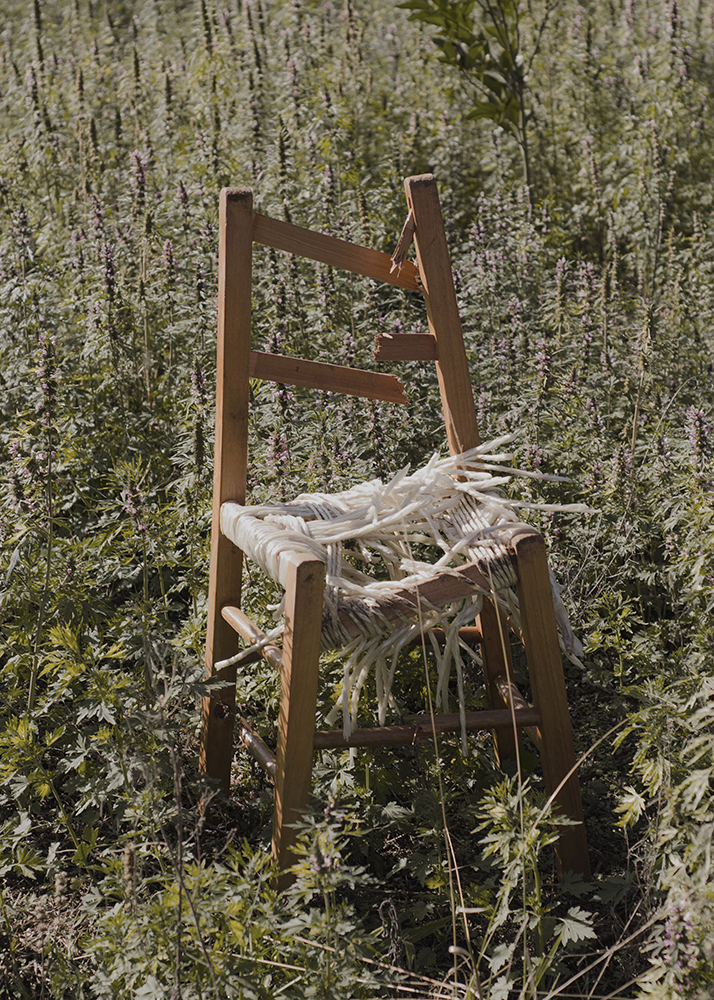
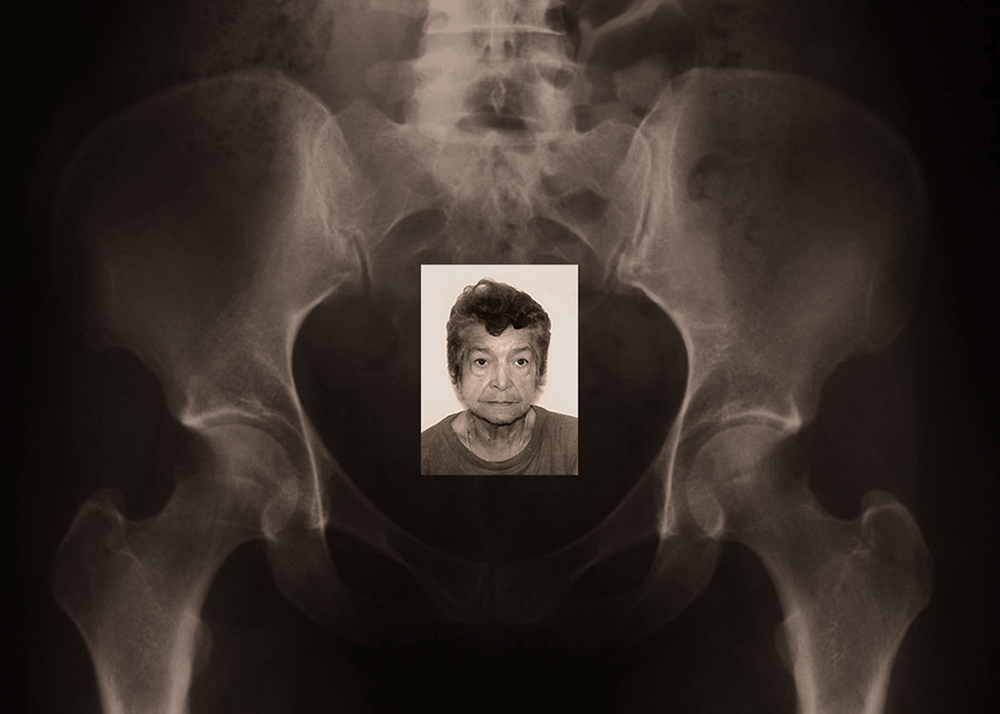
Maternal surnames tells a fictional story about the loss of my maternal surname. Mixing true events that involve a family memory and my imaginative conscious, I turn to the past and the memory that told me that my maternal great-grandmother fractured her pelvic girdle. I use this accident as the plot of the photographic fictional narrative. I speculate that he was responsible for the misalignment in my female ancestral descent, which resulted in the loss of the record of the maternal surname of three generations of women in the family, leaving them with the burden of the patriarchal structure.
I remember my maternal surname, Da Rocha (which means “From the Rock” in English), lost among the women in the family, as a way of paying homage to my ancestors, to recognize this kinship. As an agent of change for the absence of my maternal ancestry in my name record. As a reaffirmation of my identity.
To see more of Ursula’s work, here.


La fotógrafa del mes de noviembre es Ursula Jahn
Ursula Jahn (São Sebastião do Caí, RS, Brasil, 1994) trabaja como fotógrafa y artista visual. Su investigación práctica y teórica en fotografía está marcada por un sesgo autobiográfico que aborda la percepción del cuerpo, la autoimagen, la memoria ancestral y la poética de los procesos híbridos.
Fotografía, performance, video, material de archivo y procesos híbridos son parte de las poéticas fotográficas que ha creado.
Participó en varios festivales de fotografía en el país, como el 15º Salón Nacional de Fotografía Pérsio Galembeck (2018), recibiendo mención honorífica, el Festival Internacional de la Imagen de Valongo (2018), FestFotoPOA (2019), el 5º Pequeño Encuentro de Fotografía (2019 ), Maré Foto Festival (2021) entre otros.
Formó parte de la Muestra Portfolio en el 7º Festival de Fotografía Tiradentes en 2017, fue seleccionada para la Residencia Artística en el 12º Festival Internacional de Fotografía de Porto Alegre en 2019 y en Mulheres em Residência, residencia online organizada por la Galería Ponto de Fuga en 2021.
Su trabajo ha sido publicado en Revista Bravo, Revista Old, Revista Empodere y Lens Culture.
Sobre los nombres maternos (Sobre nomes maternos)
Hay muchas maneras que tiene la sociedad de hacer que una mujer sea borrada, de que la sociedad la haga desaparecer. Antiguamente, en Brasil, era común que el padre y la madre le dieran al hijo sólo el apellido paterno. Una tradición patriarcal, que se perpetuó durante muchos años y en muchas familias. Una de esas familias era la mía.
Apellidos maternos cuenta una historia ficticia sobre la pérdida de mi apellido materno. Mezclando hechos reales que involucran un recuerdo familiar y mi conciencia imaginativa, recurro al pasado y al recuerdo que me dijo que mi bisabuela materna se fracturó la cintura pélvica. Utilizo este accidente como argumento de la narrativa de ficción fotográfica. Especulo que él fue el responsable del desajuste en mi ascendencia ancestral femenina, que resultó en la pérdida del registro del apellido materno de tres generaciones de mujeres de la familia, dejándolas con el peso de la estructura patriarcal.
Recuerdo mi apellido materno, Da Rocha (que significa “De la Roca” en inglés), perdido entre las mujeres de la familia, como una forma de rendir homenaje a mis antepasados, para reconocer este parentesco. Como agente de cambio por la ausencia de mi ascendencia materna en mi registro de nombres. Como reafirmación de mi identidad.
Para conocer el trabajo de Ursula, aquí.
 foto-feminas.com