

November’s featured photographer is Alejandra Orosco Venero
I am a Peruvian photographer based in Urubamba, Cusco.
My photographic work explores the intersection between tradition and the contemporary, delving into the stories of those who see their traditions confront globalization.
In recent years I have focused my research on the narrative possibilities of textile art, exploring pre-Columbian symbology in Peruvian textiles, the natural resources used in their process, and the impact of climate change and extractive tourism on these practices.
I currently work for national and international media, while simultaneously working on long-term personal projects. In recent years, my work has received recognition from organizations such as Textile Exchange, Magnum Photos, VII Foundation, National Geographic, SMArt Programme, among others.
In parallel to my personal artistic practice, I co-direct Maleza, an arts center in the Sacred Valley (Urubamba, Cusco – Peru), created to bring together the local photography and artistic community. Maleza was the winner of the 2024 Eugene Smith – Howard Chapnick Award.
Un sueño en Azul / A dream in blue
What happens when a color disappears?
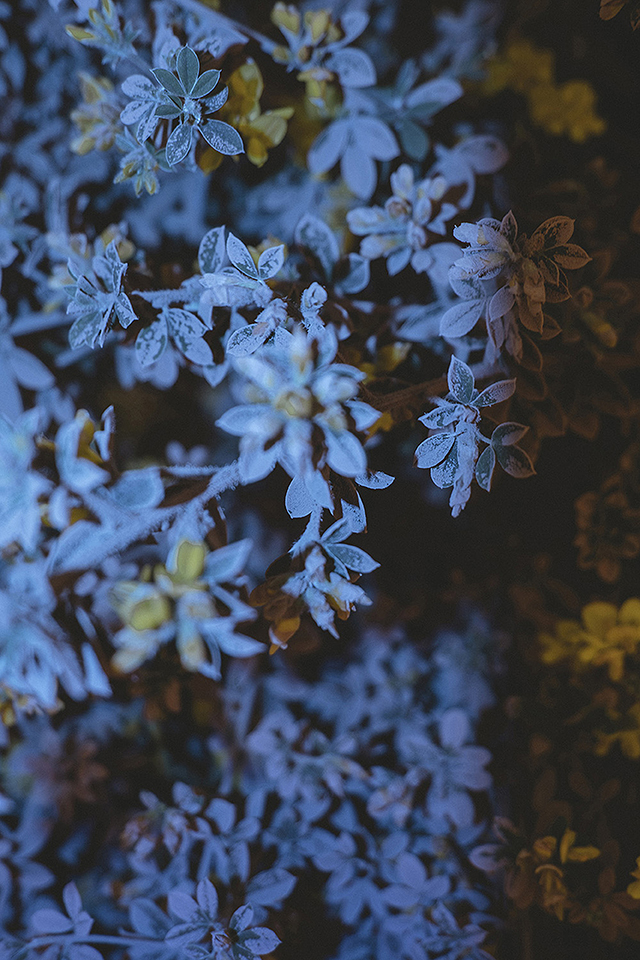
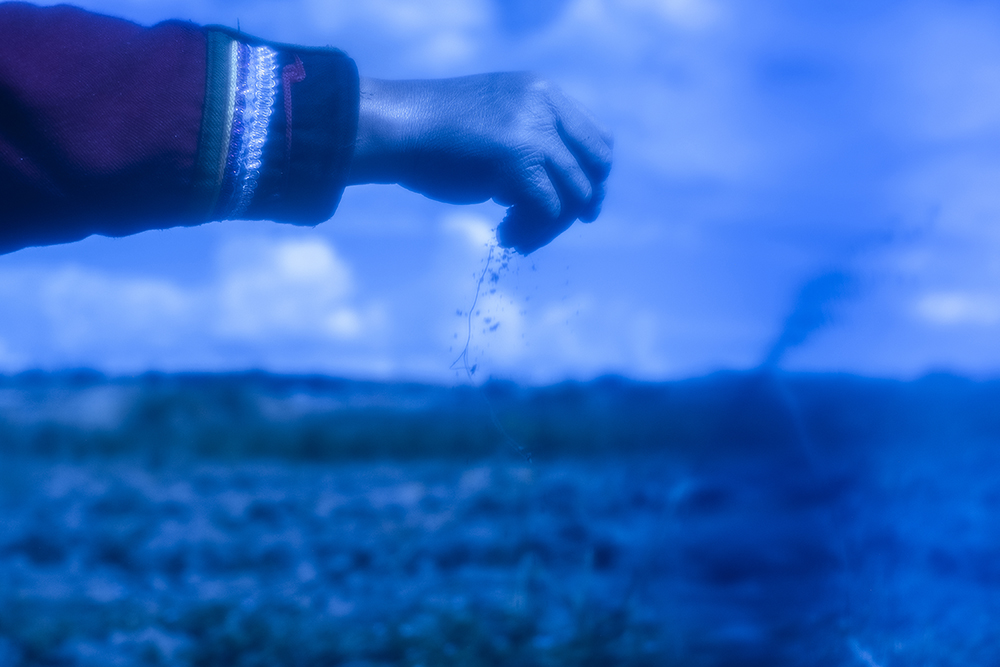
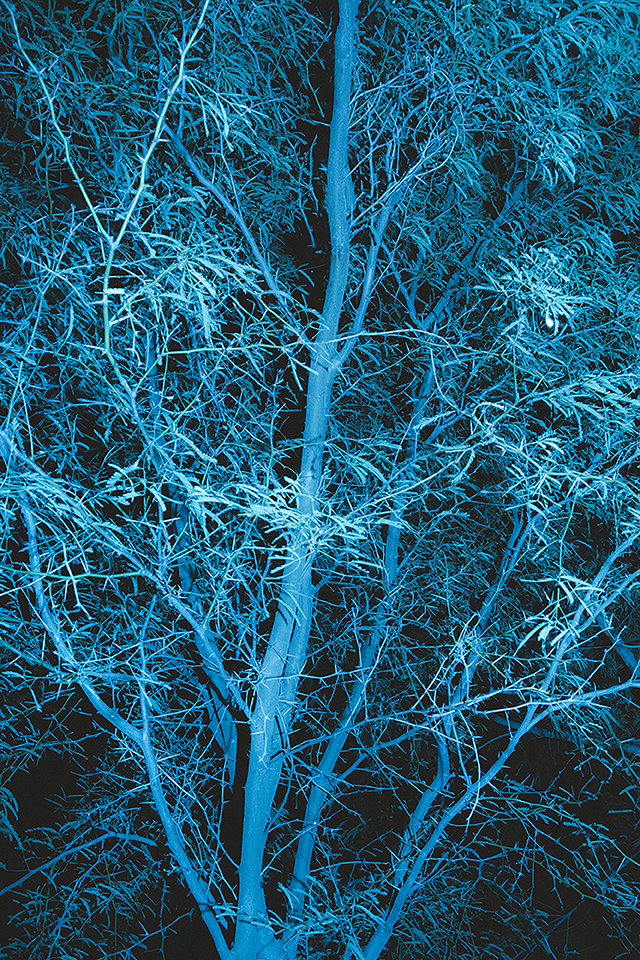
A Dream in Blue plays with the possibility of a world without blue and the dream of recover it to dye it with this color again.
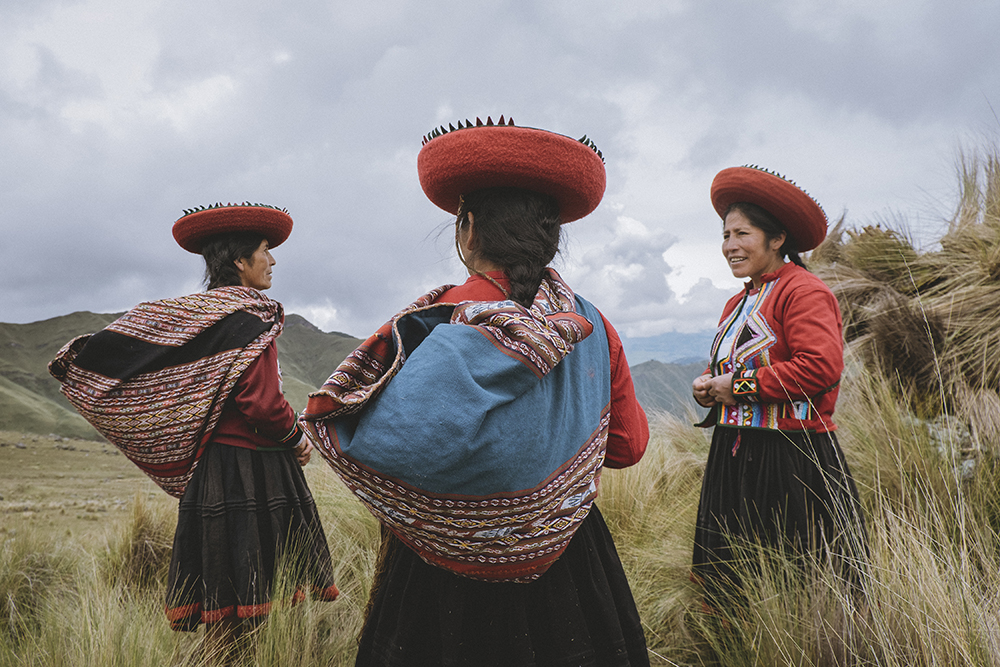
The blue of the sky reflecting on the water of a lagoon represents the meeting of two worlds. In the Andean worldview, where the upper world, the earthly world, and the underworld exist—and coexist—blue symbolizes the meeting of the celestial world and the world of the living. Based on this meeting of sky and water, the artisans of Chinchero community in Cusco, Peru which use a blue stripe to reflect this communication between worlds in their traditional shawls.
Andean textile art is more than a tourist souvenir, as many might conceive it, but rather they carry both pre-Columbian and contemporary stories of the Andean world. Thus, in their creation, blue is a key symbol in the expression of the stories these cloths tell through their shapes and colors.
But what if there is no more blue left for this story? How can we talk about this meeting of worlds? What other story would we be telling if blue were replaced by another color?
Indigo, or Indigofera tinctoria, was discovered in pre-Columbian Peruvian cloths dating back 6,200 years by archaeologist Jeffrey C. Splitstoser, proving that Peru was the first place in the world where indigo was used in textiles.
However, climate change has extinguished this precious color from the Peruvian territory, and today, the only way high Andean communities can obtain this color is by importing it from North and Central America, an action that breaks with any philosophy of artisanal work, which proposes working from what the land provides.
That’s why the women of the Pumaqwasin artisan group in Chinchero, Peru, are undertaking the task of reforesting this plant in their territory. Because for them, blue is not a product, but an essential part of capturing their daily stories.
For now, with its absence, blue speaks of the consequences that climate change can have on cultural traditions.
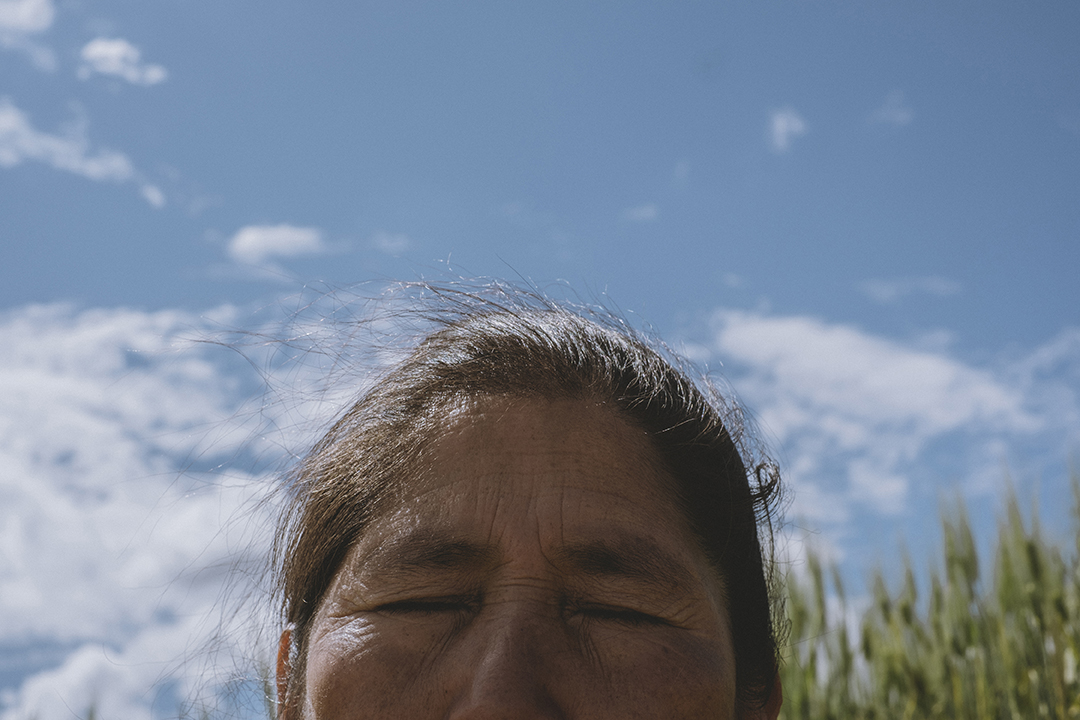
A Dream in Blue is the representation of a collective longing, to create from what we have, to narrate from absences, and to imagine how a world that is losing its resources until it runs out of color would be look like.




To see more of Alejandra’s projects, here.
La fotografa del mes de noviembre es Alejandra Orosco Venero
Fotógrafa peruana radicada en Urubamba, Cusco.
Mi trabajo fotográfico explora la intersección entre la tradición y lo contemporáneo, profundizando en las historias de quienes ven sus tradiciones confrontar la globalización.
En los últimos años, he centrado mi investigación en las posibilidades narrativas del arte textil, explorando la simbología precolombina en los textiles peruanos, los recursos naturales utilizados en su proceso y el impacto del cambio climático y el turismo extractivo en estas prácticas.
Actualmente trabajo para medios internacionales, a la vez que desarrollo proyectos personales a largo plazo. En los últimos años, mi trabajo ha recibido reconocimientos de organizaciones como Textile Exchange, Magnum Photos, VII Foundation, National Geographic, SMArt Programme, entre otras.
Paralelamente a mi práctica artística personal, co-dirijo Maleza, un centro de arte en el Valle Sagrado (Urubamba, Cusco, Perú), creado para conectar a la comunidad artística local. Maleza fue ganador del Premio Eugene Smith – Howard Chapnick 2024.
Un sueño en Azul / A dream in blue
Qué pasa cuando desaparece un color?
Un sueño en Azul juega con la posibilidad de un mundo sin azul y el sueño de volver a teñirlo de este color.
El azul del cielo reflejando sobre el agua de una laguna es la representación del encuentro de dos mundos. Y es que en la cosmovisión andina, donde existen – y conviven – el mundo de arriba, el mundo terrenal y el submundo, el azul simboliza el encuentro del mundo celestial y el mundo de los vivos a partir de ese encuentro de cielo y agua, el cual es plasmado en una franja gruesa azul característica de los mantos tradicionales de la comunidad de Chinchero en Cusco, Perú.
El arte textil andino es más que un souvenir turístico, como muchos lo pueden concebir, sino que son portadores de historias tanto precolombinas como contemporáneas del mundo andino. Es así como en su creación, el azul es un símbolo clave en la expresión de historias que estos mantos cuentan a través de sus formas y colores.
Pero y qué pasa si ya no queda más azul para esta historia? Cómo hablar de este encuentro de mundos? Qué otra historia estaríamos contando si el azul fuera reemplazado por otro color?
El Indigo, o Indigofera tinctoria, fue descubierto en mantos peruanos precolombinos que datan de hace 6200 años por el arqueólogo Jeffrey C. Splitstoser, lo que demuestra que Perú fue el primer lugar del mundo donde se utilizó el índigo en textiles.
Sin embargo, el cambio climático extinguió este preciado color del territorio peruano y hoy en dia, la única forma en la que comunidades altoandinas pueden conseguir este color es importándolo, acción que rompe con toda filosofía de trabajo artesanal, la cual propone trabajar a partir de lo que la tierra te da.
Es por eso que las mujeres del grupo de artesanas Pumaqwasin en Chinchero, Perú, emprende la labor de reforestar esta planta en su territorio. Porque para ellas, el azul no es un producto, sino parte esencial en la tarea de plasmar sus historias cotidianas.
Por ahora, con su ausencia, el azul cuenta las consecuencias que el cambio climático puede tener en las tradiciones culturales.
Un sueño en Azul es la representación de un anhelo colectivo, de crear desde lo que tenemos, de narrar también desde las ausencias e imaginar cómo sería un mundo que va perdiendo sus recursos hasta quedarse sin color.
Para ver mas de los trabajos de Alejandra, aqui.
 foto-feminas.com