

February’s featured photographer is Bárbara Lissa
Bárbara is a Brazilian visual artist, PhD student in Literary Studies (Post-Lit /FALE /UFMG). In 2023, she worked as a research fellow at the Memorial of Latin America. She holds a master’s degree in Visual Arts from the School of Fine Arts of the Federal University of Minas Gerais (PPG-Artes/EBA/UFMG/2022), a bachelor’s degree in Fine Arts from the State University of Minas Gerais (GUIGNARD/ UEMG /2019) and a degree in Literature from the Federal University of Minas Gerais (FALE / UFMG / 2013). Based on photography, literature and audiovisuals, her work is situated at the intersection of art and ecology.
Her film “Ruína” was screened at the Impresa Photography Festival in Córdoba, Argentina (2023) and at the Camagüey Festival in Cuba (2021). In 2017 she co-founded the Duo Paisagens Móveis, in partnership with Maria Vaz, with whom she published the photobook “Óris” (2023) by the publisher Selo Turvo and the photobook “Três Momentos de um Rio” (2021), with support from the Belo Horizonte Municipal Culture Incentive Law. With the duo, she held the solo exhibitions “Três momentos de um rio” (Tiradentes, 2024) and “Quando o tempo dura uma tonelada” (Belo Horizonte, 2022), as well as group exhibitions at Foto Arica (Chile, 2024), Cosmopolíticas (national tour, 2022), Fotograma Livre, FestFoto (Porto Alegre, 2022) and the Pierre Verger Award (2021, Salvador).
Foreigners from the tropics
The past is a foreign land by excellence, which we can only access from the present. Faced with the family memories that constitute and cross me, I am no longer one body, but so many bodies in so many other times. I recognise myself as I come into contact with the other. Do I begin my story as belonging to me or to all? I seek to update a story that, while alive, is never finished to be told.
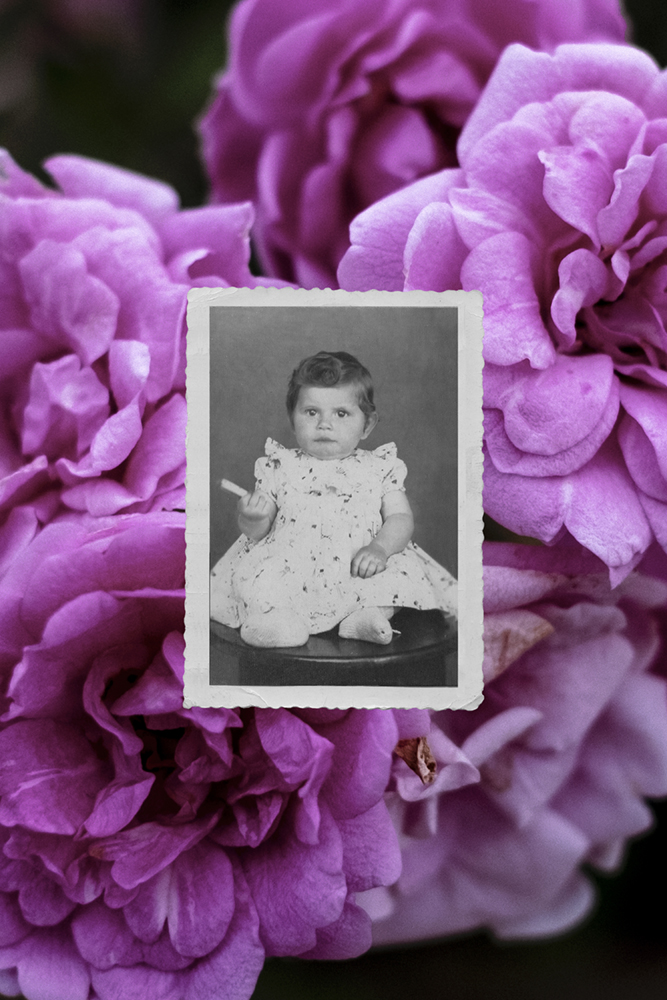
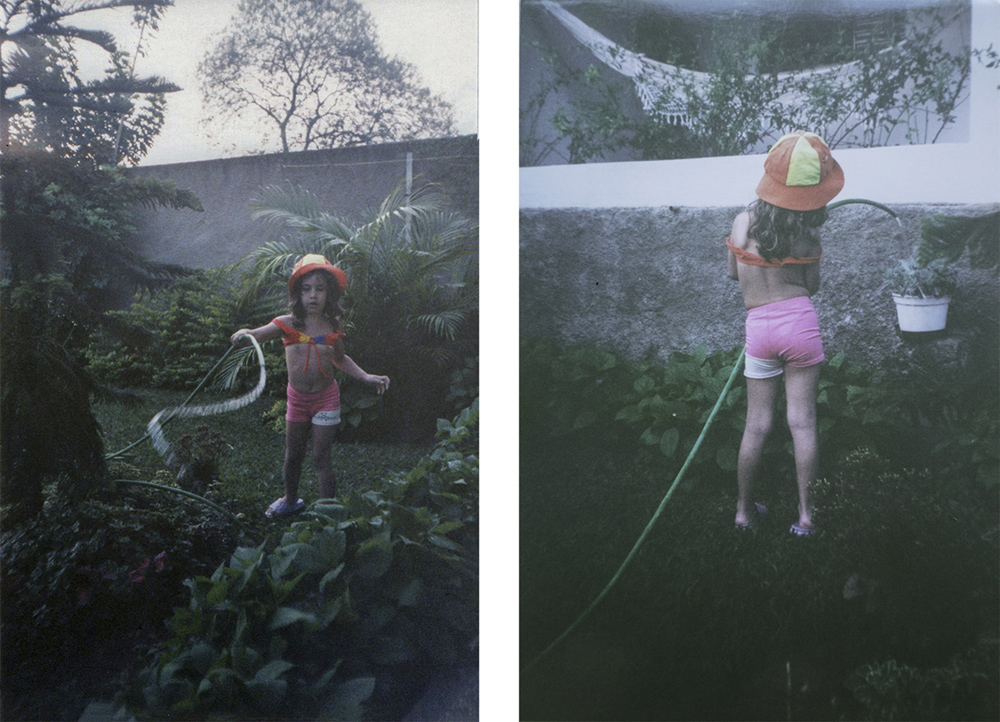
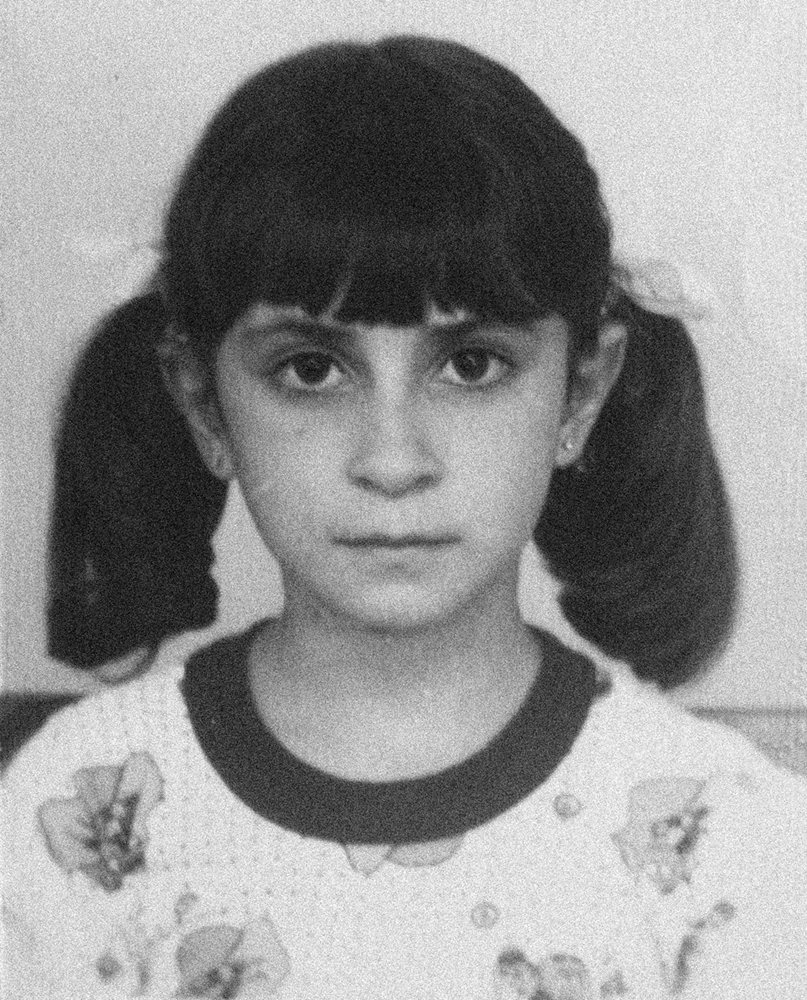
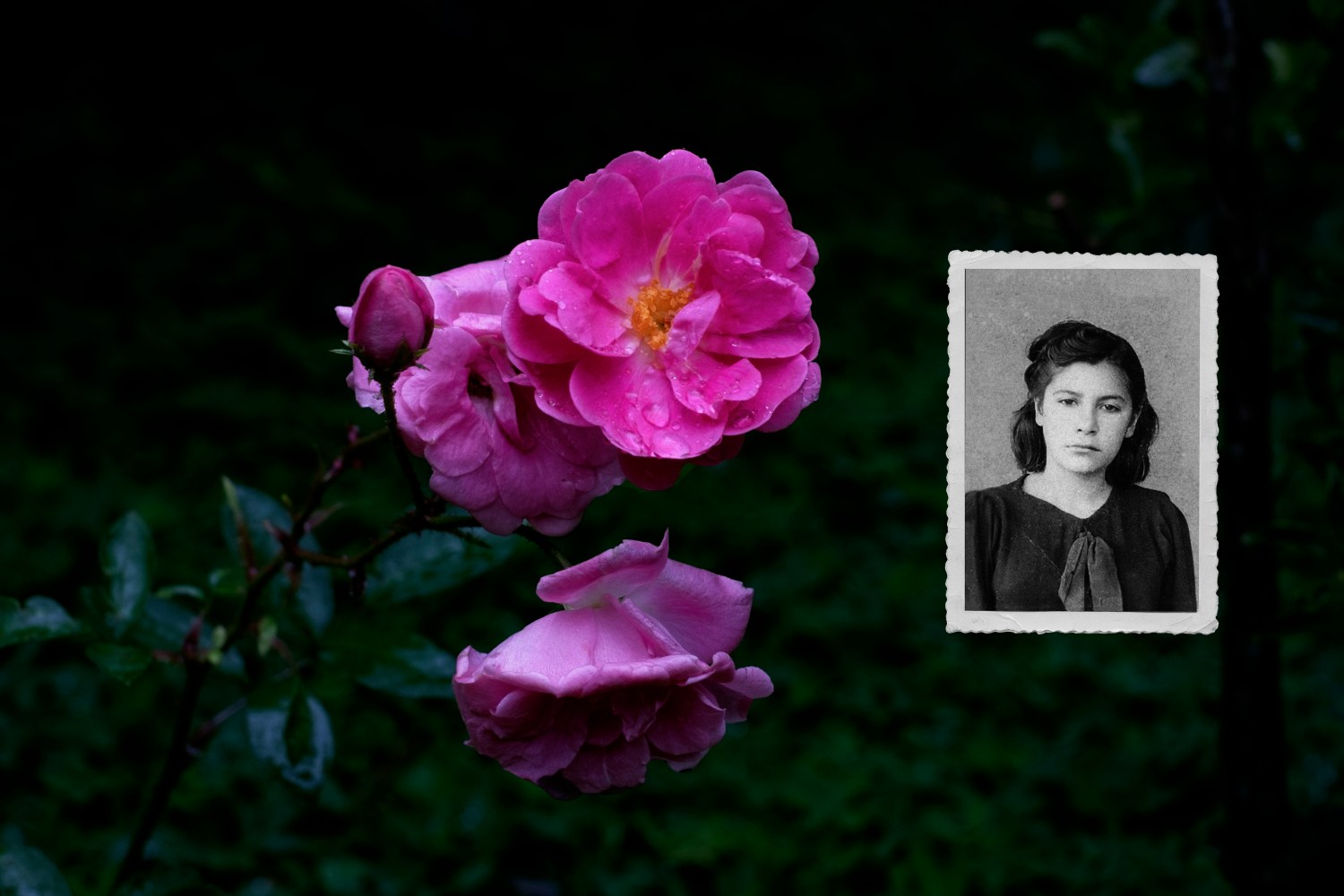
Foreigners from the tropics is a work that reflects on ways of inhabiting borders. It’s based on stories and photographs from my maternal family’s albums, read from a sense of estrangement at the memories and gaps that make up the stories of the women of this lineage, whose origins are unknown because my grandmother, orphaned by her father at the age of seven and her mother at the age of three, knows nothing about her predecessors apart from their names. An origin founded on many – unsolvable – questions.
My grandmother Ilda – and her daughters – migrated from the countryside, in the interior of Minas Gerais, to Belo Horizonte, at the invitation of her nun sister, in the 1970s, during a period of rural exodus due to the industrialisation of the new capital of Minas Gerais.
On this journey, in their attempt to settle in this new city, less than a hundred years old, whose ideal of life was so different from where they came from, they occupied the northern outskirts and were seen by the local hegemonic gaze as “others”, “strangers”, “foreigners”, because of the knowledge and habits of the countryside, as well as the language that marked their geographical origin. ‘Some eyes looked at us as if we were animals,’ they say.
Being the last of nine children, my mother lived her childhood in the capital, having a different life from her sisters, such as access to education. Distant temporally and culturally from her siblings, the strangeness was repeated. Strangeness is familiarity itself, because even a stranger is looking for an equal. Many years passed, new generations came along. But between the generations, rootlessness was hereditary.
In this shock between times, spaces, cultures and generations, this work intertwines imagination and collective history. The familiar stranger triggers astonishment at the movements of remembrance, forgetting and displacement. Faced with this lacunar genealogy, without any knowledge of its origins and without an understandable surname, this work proposes a different notion of kinship and belonging, which includes a relationship of familiarity with another entity, roses, present in this lineage between generations, stitching together the affections of these women, as a link between them. From the name ‘peregrina’, ‘peregrinus’, ‘peregrinum’, given to foreign or exotic plants, this work proposes other ways of forming families, while also imagining possible faces for the unknown women of this lineage. After all, we belong to time, and it passes us by and swallows us up with its big mouth.






To know more about Bárbara’s work, here.
(This is a collaboration with FotoFuturo Lab that arose from the open call for the virtual exhibition “Visions of 2025”, a space where 12 emerging artists from around the world explore, through their images, the anxieties, hopes and reflections on the future. This publication has been by its founder Lucia Vazquez.)
La fotógrafa del mes de febrero es Bárbara Lissa
Bárbara es una artista visual brasileña, doctoranda en Estudios Literarios (Post-Lit /FALE /UFMG). En 2023, trabajó como becaria-investigadora en el Memorial de América Latina. Es máster en Artes Visuales por la Escuela de Bellas Artes de la Universidad Federal de Minas Gerais (PPG-Artes/EBA/UFMG/2022), licenciada en Bellas Artes por la Universidad Estatal de Minas Gerais (GUIGNARD/ UEMG /2019) y licenciada en Letras por la Universidad Federal de Minas Gerais (FALE / UFMG / 2013). Basado en la fotografía, la literatura y el audiovisual, su trabajo se sitúa en la intersección del arte y la ecología.
Su película “Ruína” fue exhibida en el Festival de Fotografía Impresa en Córdoba, Argentina (2023) y en el Festival de Camagüey en Cuba (2021). En 2017, cofundó el Dúo Paisagens Móveis, en asociación con Maria Vaz, con quien publicó el fotolibro “Óris” (2023) de la editorial Selo Turvo y el fotolibro “Três Momentos de um Rio” (2021), con el apoyo de la Ley Municipal de Incentivo a la Cultura de Belo Horizonte. Con el dúo, realizó las exposiciones individuales “Três momentos de um rio” (Tiradentes, 2024) y “Quando o tempo dura uma tonelada” (Belo Horizonte, 2022), así como exposiciones colectivas en Foto Arica (Chile, 2024), Cosmopolíticas (gira nacional, 2022), Fotograma Livre, FestFoto (Porto Alegre, 2022) y el Premio Pierre Verger (2021, Salvador).
Para ver más los trabajo de Bárbara, aquí.
(Este es una colaboración con FotoFuturo Lab que surgió a partir de la convocatoria abierta para la exhibición virtual “Visions of 2025”, un espacio donde 12 artistas emergentes de todo el mundo exploran, a través de sus imágenes, las ansiedades, esperanzas y reflexiones sobre el futuro. Esta publicación ha sido editada por su fundadora: Lucia Vazquez).
 foto-feminas.com