
October’s featured photographer is María Magdalena Arréllaga
María is a Paraguayan American independent documentary photographer, photojournalist and visual storyteller based in Brazil working on assignments and projects related to social, gender, political and environmental issues in Latin America. Her personal work is centered on stories and projects that delve into responses to social and environmental issues of our time through a humanistic lens and relationships built on sensitivity and trust. Through her work María seeks to come closer to our relationship with memory, identity and the natural world – particularly to how it is being dramatically altered by human pressures, deforestation and climate change and how this affects us.
María is a National Geographic Society Emergency Fund grantee (2020) and received support from the International Women’s Media Foundation (IWMF) Howard G. Buffett Fund for Women Journalists (2021) to continue her long-term work in the Pantanal wetland. She is a member of Women Photograph, Diversify Photo and The Everyday Projects and of Agência Farpa (@farpa). María contributes to The New York Times, Wall Street Journal, Bloomberg and Le Monde, among others.
Un Pantanal Que Se Seca / A Drying Pantanal Wetland (2020 – ongoing)
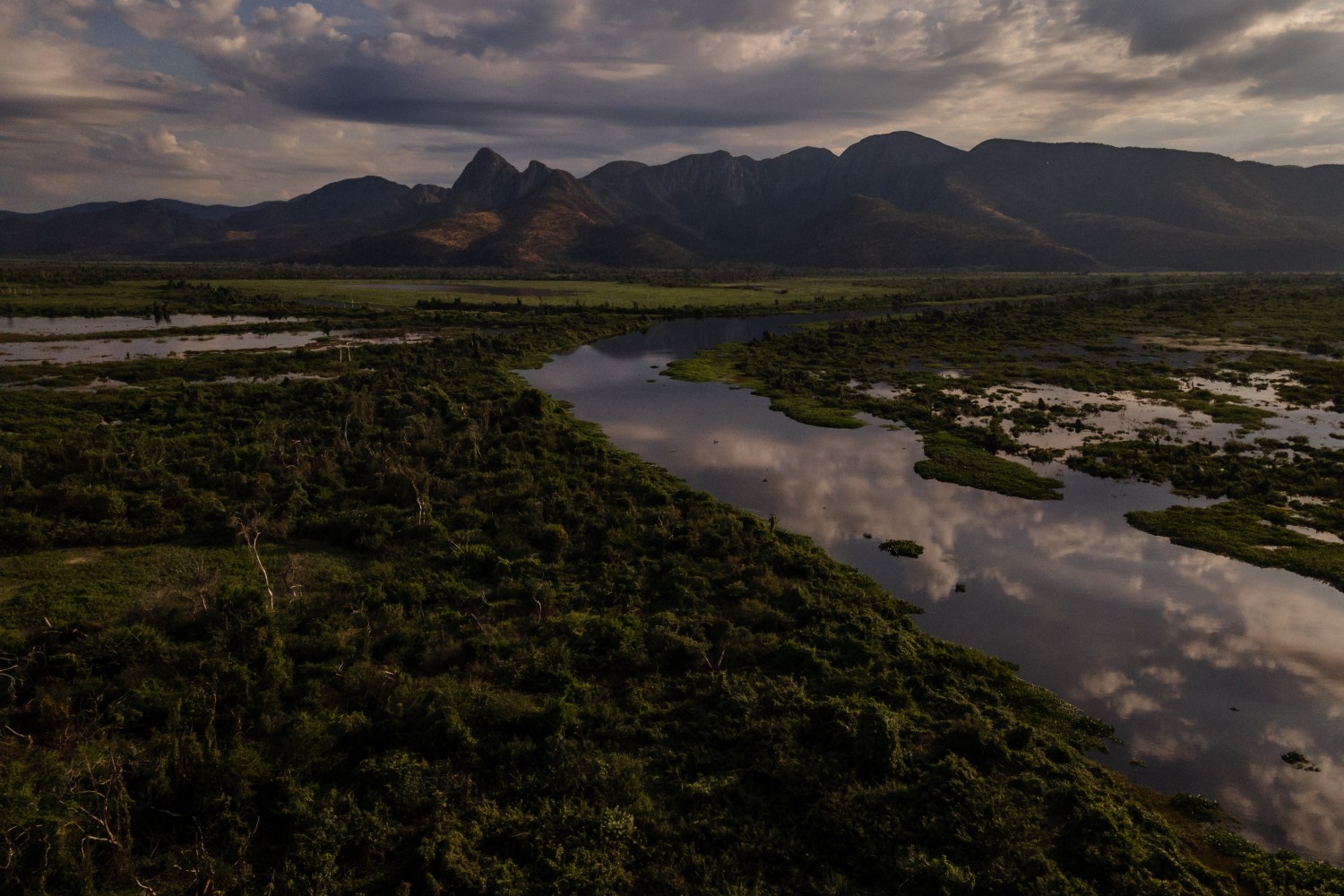
In the Pantanal, the planet’s largest tropical wetland, all life depends on the seasonal flood pulse that brings water from the surrounding highland to the floodplain with the rain and rivers that overflow, bathing an extensive mosaic of lakes, savannas and forests, renovating life after the dry season. Located between Brazil, Bolivia and Paraguay, extending 195,000 square kilometers, the Pantanal is home to vast biodiversity and to communities that depend on and protect this wetland, where life is adapted to and made possible by the wetland’s flood pulse. What happens when this pulse is interrupted? – “A Pantanal without water is a Pantanal without life”.
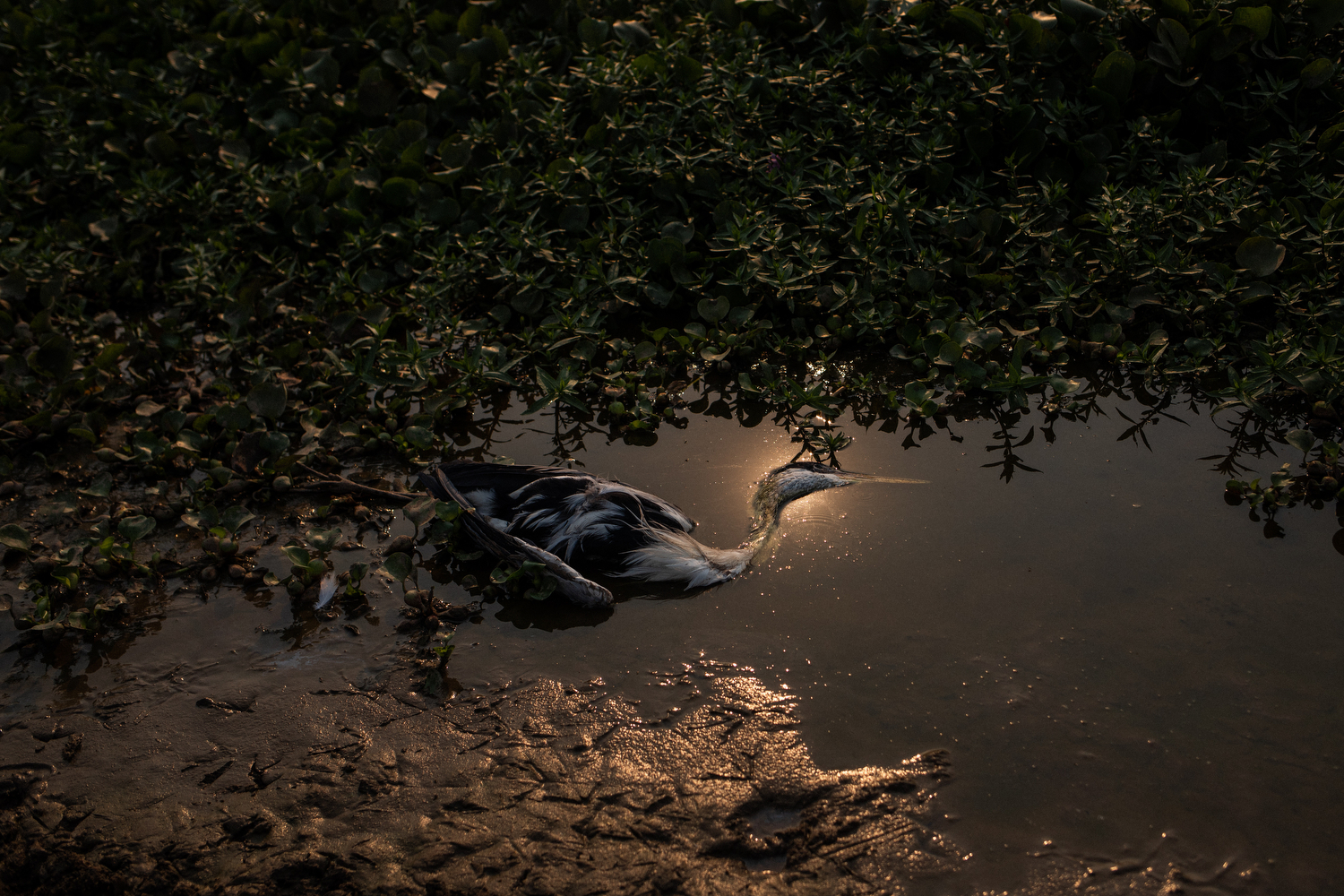
In 2020, wildfires exacerbated by extreme drought burned almost one third of the wetland, devastating its exuberant wildlife and the traditional and indigenous communities whose livelihoods depend on the wetland. Growing human pressures such as the damming of rivers, expansion of large-scale industrial agriculture and rising deforestation in and around the wetland, intensified by the impacts of climate change, have deeply affected and altered life in the Pantanal. Areas that never dried before have dried, leaving the region extremely vulnerable to fires.
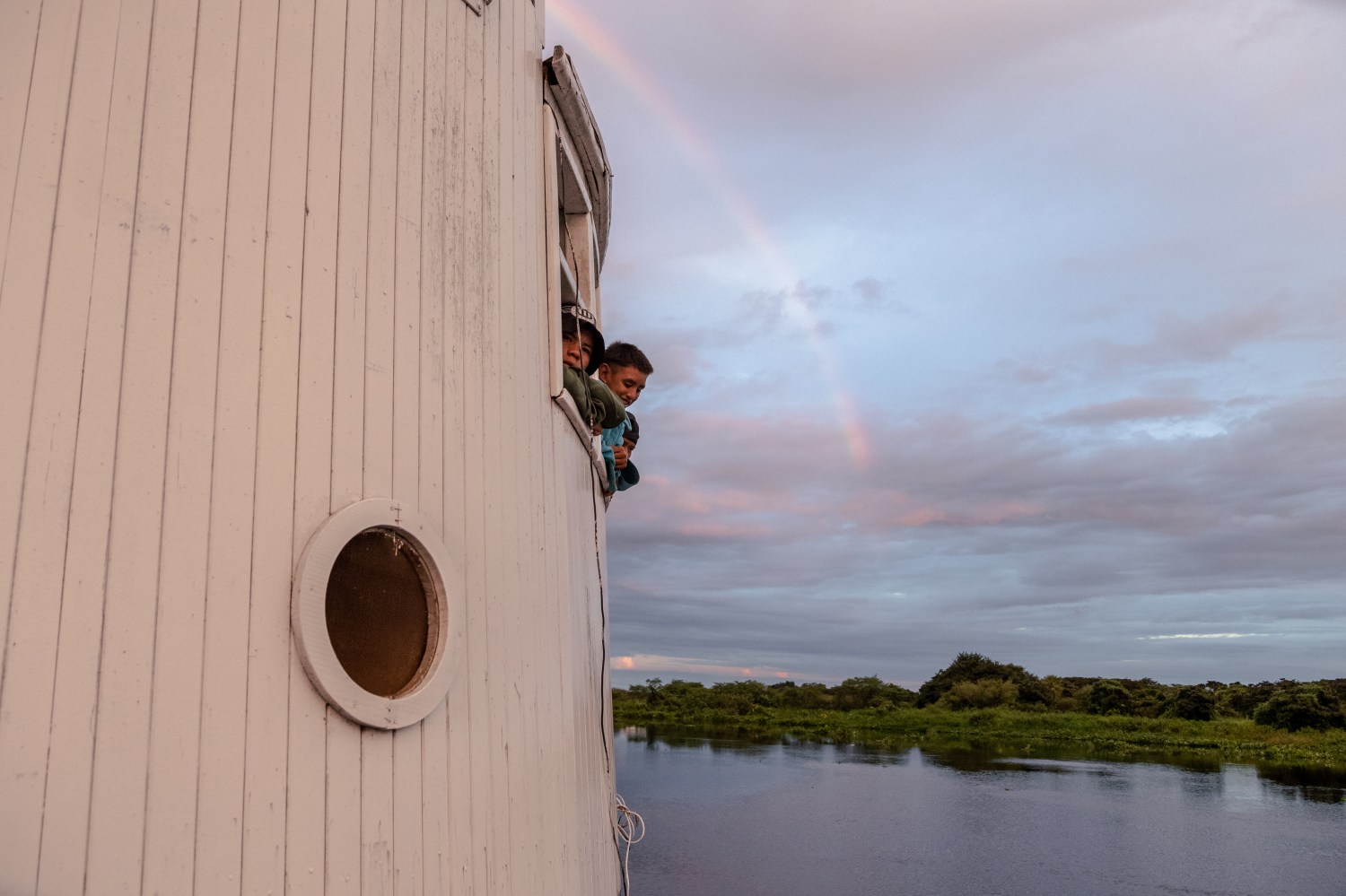
In the wake of the catastrophic wildfires that swept through the Pantanal four years ago, volunteers and communities mobilized to form brigades throughout the wetland to fight the wildfires, implement mitigation strategies and strengthen efforts to protect their territories and other critical preservation areas from another disaster. This year, continued severe drought, widespread fires and the drying of the wider region’s major rivers, such as the Paraguay River, have intensified and many have reached their lowest points in recorded history. This ongoing work includes coverage on the drought and wildfires over the last years, and follows the course of the rivers, documenting the direct and indirect effects of a drying wetland and other stories from the region.


©María Magdalena Arréllaga for The New York Times
To see more of María’s work, here.
La fotógrafa del mes de octubres es is María Magdalena Arréllaga
María es una fotógrafa documental, fotoperiodista y narradora visual independiente paraguaya-estadounidense radicada en Brasil, que trabaja en asignaciones y proyectos relacionados con cuestiones sociales, de género, políticas y ambientales en América Latina. Su trabajo personal se centra en historias y proyectos que profundizan en respuestas a problemas sociales y ambientales de nuestro tiempo a través de un lente humanista y relaciones basadas en la sensibilidad y la confianza. A través de su trabajo, María busca acercarse a nuestra relación con la memoria, la identidad y el mundo natural, particularmente a cómo éste está siendo dramáticamente alterado por las presiones humanas, la deforestación y el cambio climático y cómo esto nos afecta.
María es beneficiaria del Fondo de Emergencia de la National Geographic Society (2020) y recibió apoyo del Fondo Howard G. Buffett para Mujeres Periodistas de la International Women’s Media Foundation (IWMF) (2021) para continuar su trabajo a largo plazo en el humedal del Pantanal. Es miembro de Women Photograph, Diversify Photo y The Everyday Projects (miembro de Everyday Latin America y cofundadora de Everyday Paraguay), y miembro de Agência Farpa. María colabora con The New York Times, Bloomberg News, The Washington Post y The Wall Street Journal, entre otros.
Un Pantanal Que Se Seca / A Drying Pantanal Wetland (2020 – ongoing)
En el Pantanal, el humedal tropical más grande del planeta, toda la vida depende del pulso de inundaciones estacionales que lleva el agua desde las tierras altas circundantes a la llanura aluvial con las lluvias y los ríos que se desbordan, bañando un extenso mosaico de lagos, sabanas y bosques, renovando la vida después de la estación seca. Ubicado entre Brasil, Bolivia y Paraguay, con una extensión de 195.000 kilómetros cuadrados, el Pantanal alberga una vasta biodiversidad y comunidades que dependen de este humedal único y lo protegen, donde la vida se adapta y es posible gracias al pulso de inundaciones del humedal. ¿Qué sucede cuando se interrumpe este pulso? – “Un Pantanal sin agua es un Pantanal sin vida”.
En 2020, los incendios forestales exacerbados por una sequía extrema quemaron casi un tercio del humedal, devastando su exuberante vida silvestre y las comunidades tradicionales e indígenas cuyos medios de vida dependen del humedal. Las crecientes presiones humanas, como la represa de ríos, la expansión de la agricultura industrial a gran escala y la creciente deforestación dentro y alrededor del humedal, intensificadas por los impactos del cambio climático, han afectado y alterado profundamente la vida en el Pantanal. Áreas que nunca se secaron se han secado, dejando a la región extremadamente vulnerable a los incendios.
A raíz de los catastróficos incendios forestales que arrasaron el Pantanal hace cuatro años, voluntarios y comunidades se movilizaron para formar brigadas en todo el humedal para combatir los incendios forestales, implementar estrategias de mitigación y fortalecer los esfuerzos para proteger sus territorios y otras áreas críticas de preservación de otro desastre. Sin embargo, este año, la continuación de sequía extrema, incendios y bajantes de los principales ríos de la región, como el Río Paraguay, han intensificado y muchos de los ríos han llegado a su nivel más bajo en el registro histórico. Este trabajo incluye coberturas sobre la sequía e incendios en los últimos años, y sigue el curso de los ríos, documentando los impactos directos e indirectos del humedal que se seca y otras historias de la región.
Para ver más de los proyectos de María, aquí.
 foto-feminas.com