

July’s featured photographer is Ada Trillo
Ada Trillo is a queer, first-generation Mexican-American artist who merges documentary and fine art in her photography. Growing up on the border between Juarez, Mexico, and El Paso, Texas, has given her an intimate understanding of the border. This has inspired her to explore national and metaphorical borders of inequality in her work. She focuses on walls of inclusion and exclusion, such as those based on climate and violence related to migration, as well as internal exclusions resulting from long-standing barriers of race, class, gender, and trauma that have been influenced by colonization.
Trillo’s photographs are included in the permanent collections of renowned museums and institutions including the Library of Congress, the Philadelphia Museum of Art, the Museum of Fine Arts in Houston and The Cleveland Museum of Art.
Ada Trillo was awarded the John Simon Guggenheim Memorial Foundation Fellowship in Photography 2024, The Pew Center for Arts & Heritage Fellowship in 2022, The Eddie Adams Workshop Canon Award in 2022, The Female In Focus award in 2020, The Leeway Foundation Transformation Award, The Me & Eve Grant with the Center of Photographic Arts in Santa Fe. Additionally, she received First Place in the editorial category at the Tokyo International Foto Awards.
Trillo’s first monograph, La Caravana Del Diablo: On the Run from the Northern Triangle to America, was published by Komma (Netherlands) in 2021. It is a powerful account of seven years of traveling with refugees and migrants from Central America to the U.S.-Mexico border.
Trillo’s Photographs have been published in renowned publications, including The Guardian, Vogue, Smithsonian Magazine, and Mother Jones. Trillo has showcased her work globally, including in New York City, Philadelphia, Luxembourg, England, Italy, Germany, and Japan. She holds degrees from the Istituto Marangoni in Milan and Drexel University in Philadelphia. Trillo is also a member of The Diversify Photo Community.
The Ukrainian War Through the Latin American Eye
We are currently facing the largest number of forcibly displaced people in history. The UN refugee Agency estimates there are over 110 MILLION Forcibly displaced people worldwide. Escaping their homes as a result of persecution, conflict, violence, human rights violations or events. An estimated 43.3 million (40%) are children under the age of 18 years old.
The way I can contribute to the conversation is to use my photography as a tool to help bring about political change. Moreover, as an artist and activist, I seek to create a multi-faced experience for my audience. I work to create a discursive space that is deeper, more engaged, and empathetic to bridge the social, racial, gender, and political divides that impede social change.
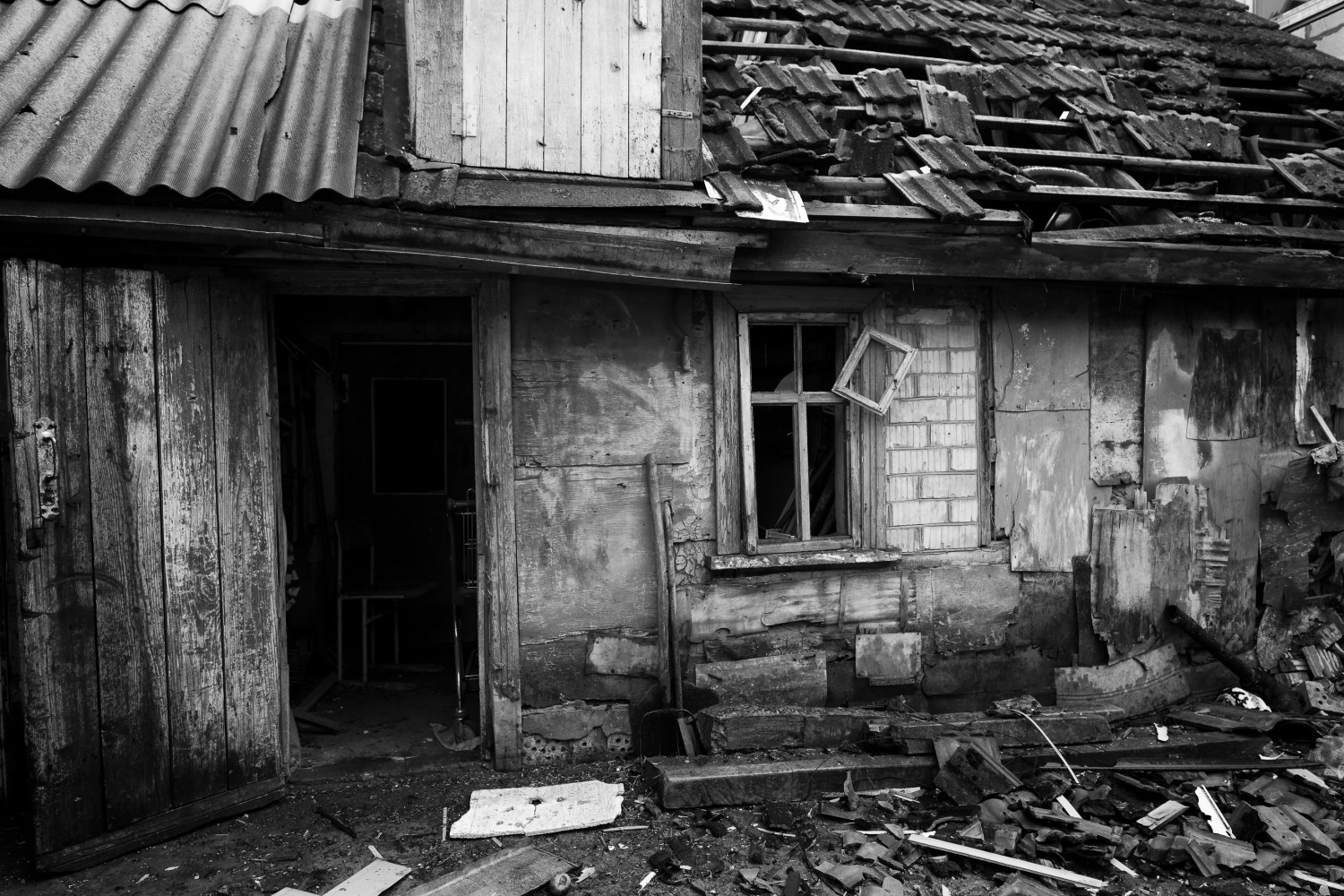
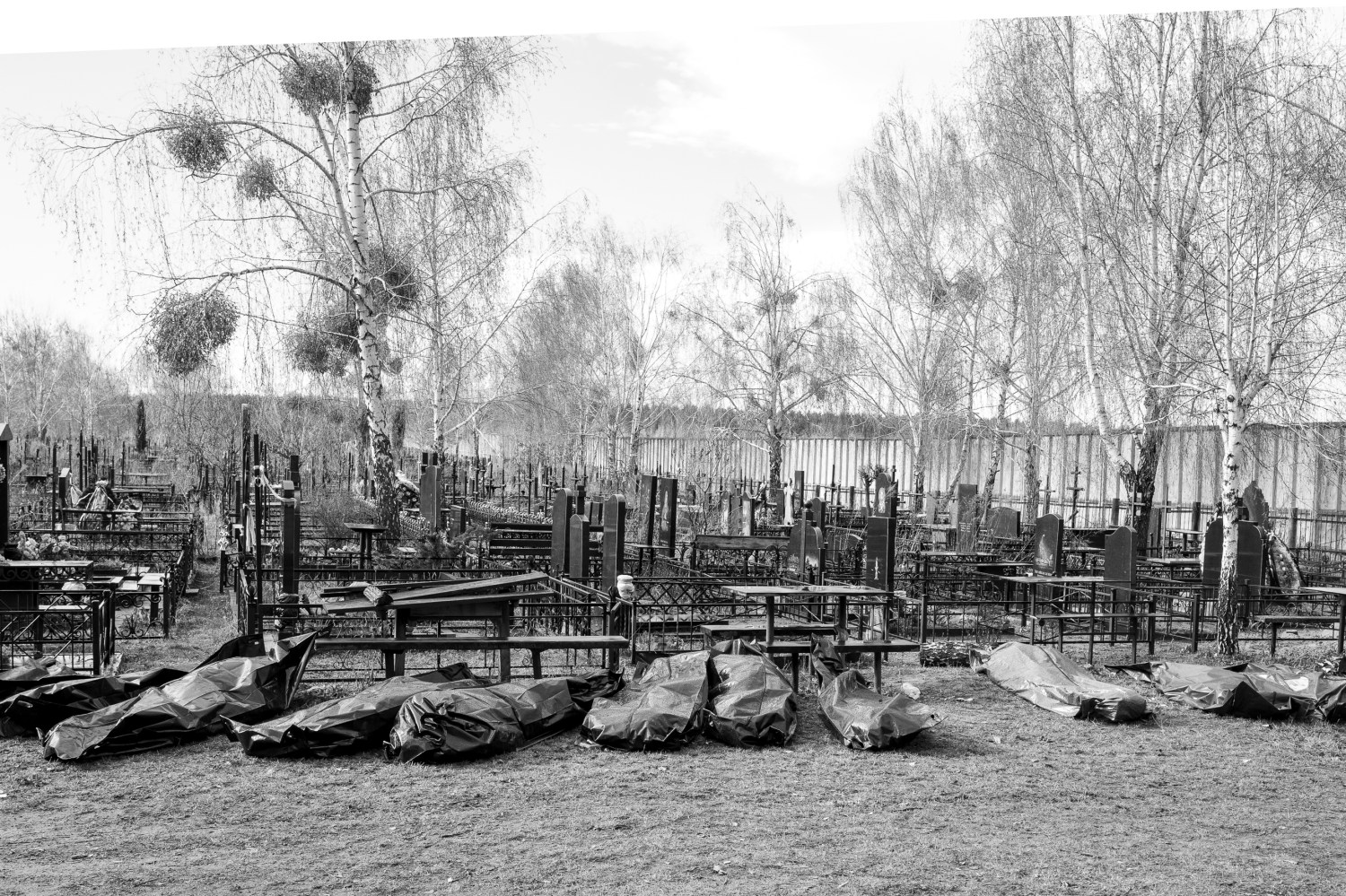
On March 29th, 2022, I traveled to Poland and then took the train to Ukraine to travel the difficult journey with those who had been forced to leave due to the Russian invasion. My life goal is to accompany refugees across the globe in their journeys to a life of freedom to tell their stories to the world. If more people could see what refugees experience, there would be more empathy and support to bring further aid and protection towards the Ukrainian people who are suffering war crimes inflicted by Russia.
At the heart of this crisis is the staggering number of displaced people. The United Nations High Commissioner for Refugees (UNHCR) estimates that over 10 million people have been internally displaced within Ukraine, and more than 5 million have sought refuge in neighboring countries. This mass exodus has placed an immense strain on resources and infrastructure in the region, making it the largest since world war II.
Countries such as Poland, Hungary, and Romania have opened their borders to Ukrainian refugees, but they are struggling to cope with the influx. These countries are facing challenges in providing adequate shelter, food, medical care, and other essential services to the displaced population. The situation is particularly dire for vulnerable groups such as women, children, and the elderly.
In response to the crisis, the United Nations and other humanitarian organizations are working tirelessly to provide assistance to refugees. However, the scale of the crisis is overwhelming, and there is a pressing need for more international support. The international community must come together to ensure that refugees receive the necessary aid and protection.
The future of the refugee crisis remains uncertain. It is unclear how long the conflict in Ukraine will last, and how many more people will be compelled to flee their homes. There are fears that the crisis could become protracted, leaving refugees in limbo for an extended period.
Addressing the refugee crisis requires a comprehensive and coordinated effort from governments, international organizations, and civil society. It is crucial to provide immediate humanitarian assistance to refugees, including food, shelter, medical care, and psychosocial support. Long-term solutions, such as promoting peaceful resolutions to the conflict and creating pathways for refugees to rebuild their lives, are also essential.
Individuals can also make a difference in helping refugees from the Ukrainian war. There are numerous ways to contribute, such as donating to humanitarian organizations, volunteering at refugee shelters, or contacting elected officials to advocate for more support for refugees. Every act of kindness and solidarity can help alleviate the suffering of those who have been displaced by this devastating conflict.
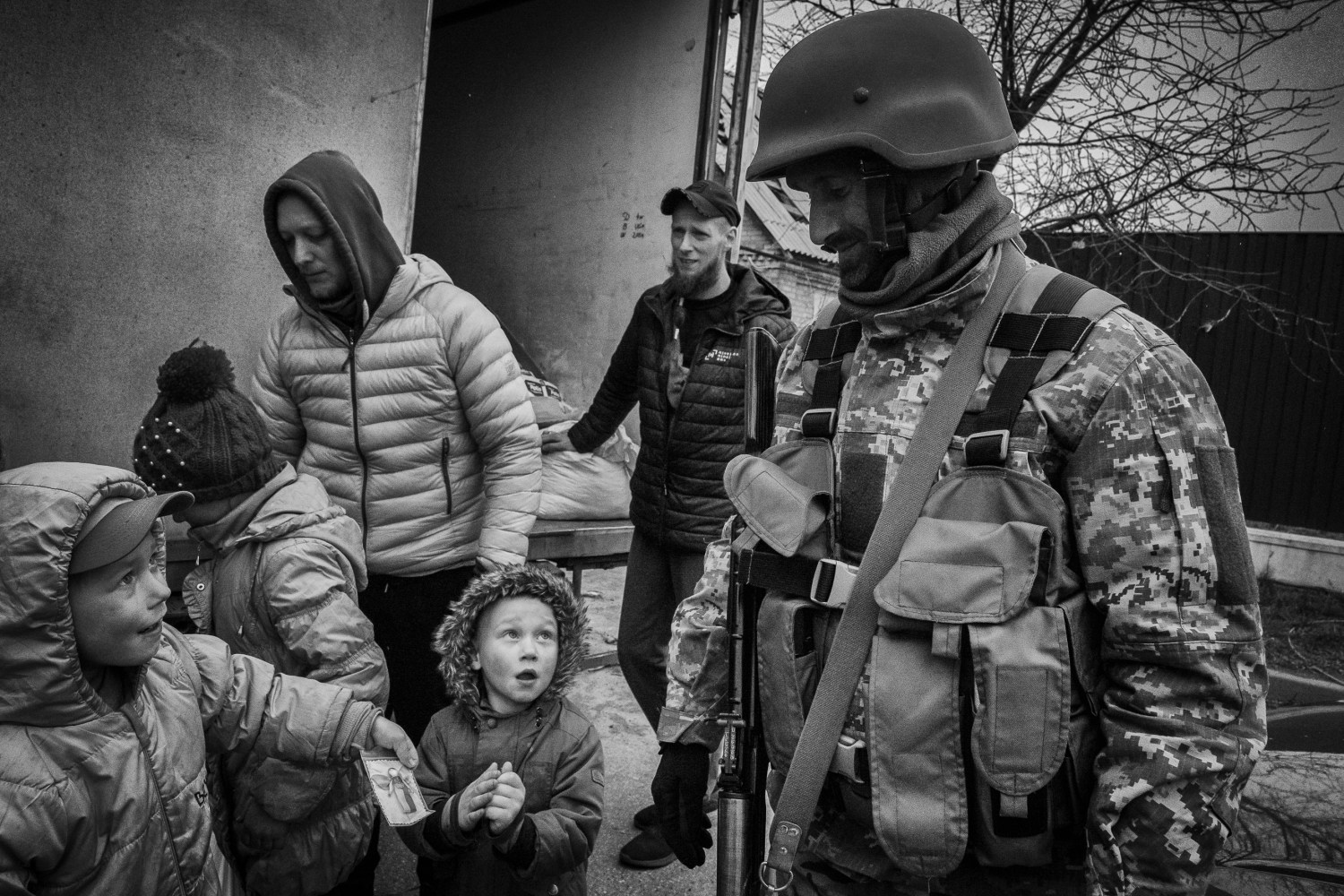
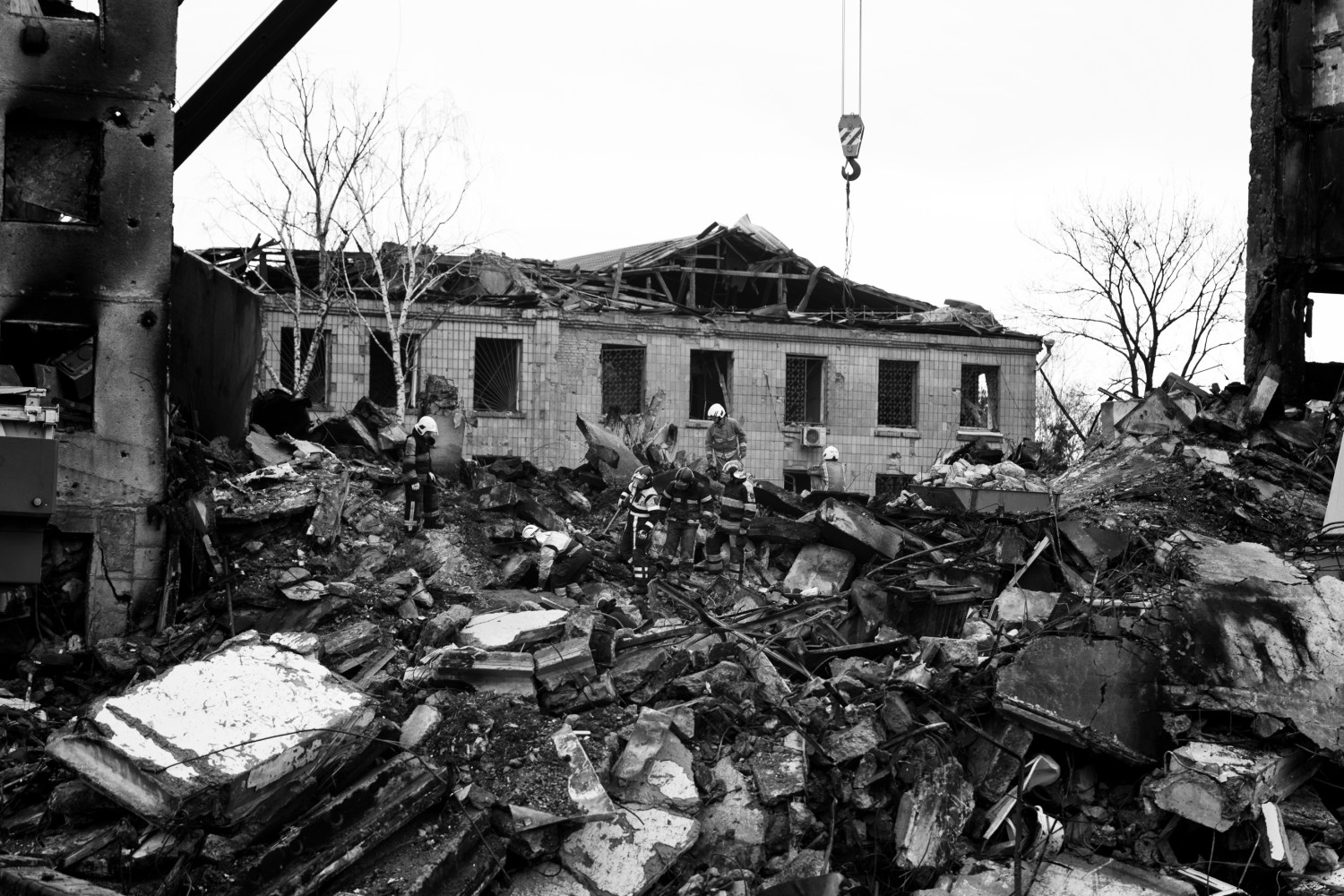


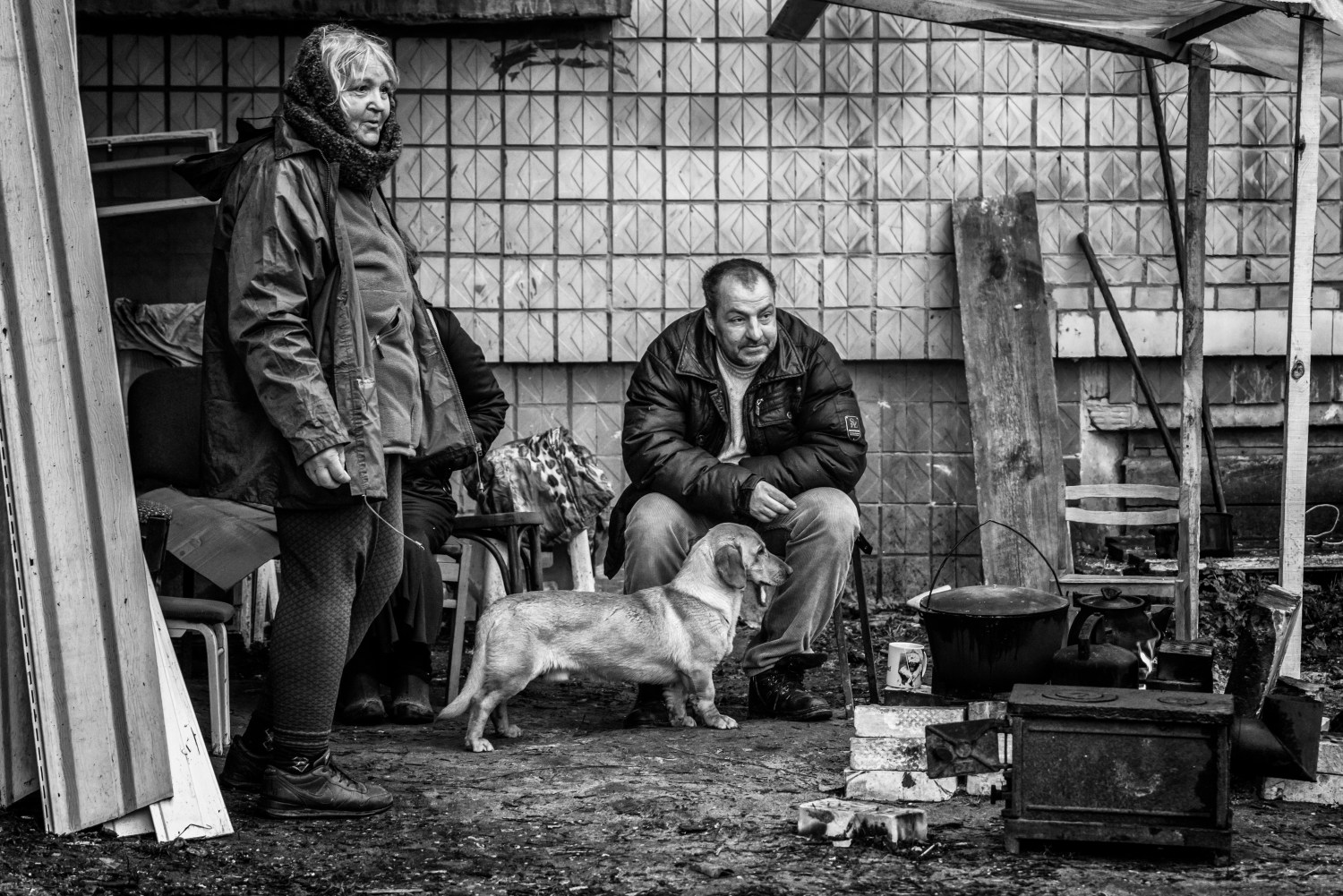
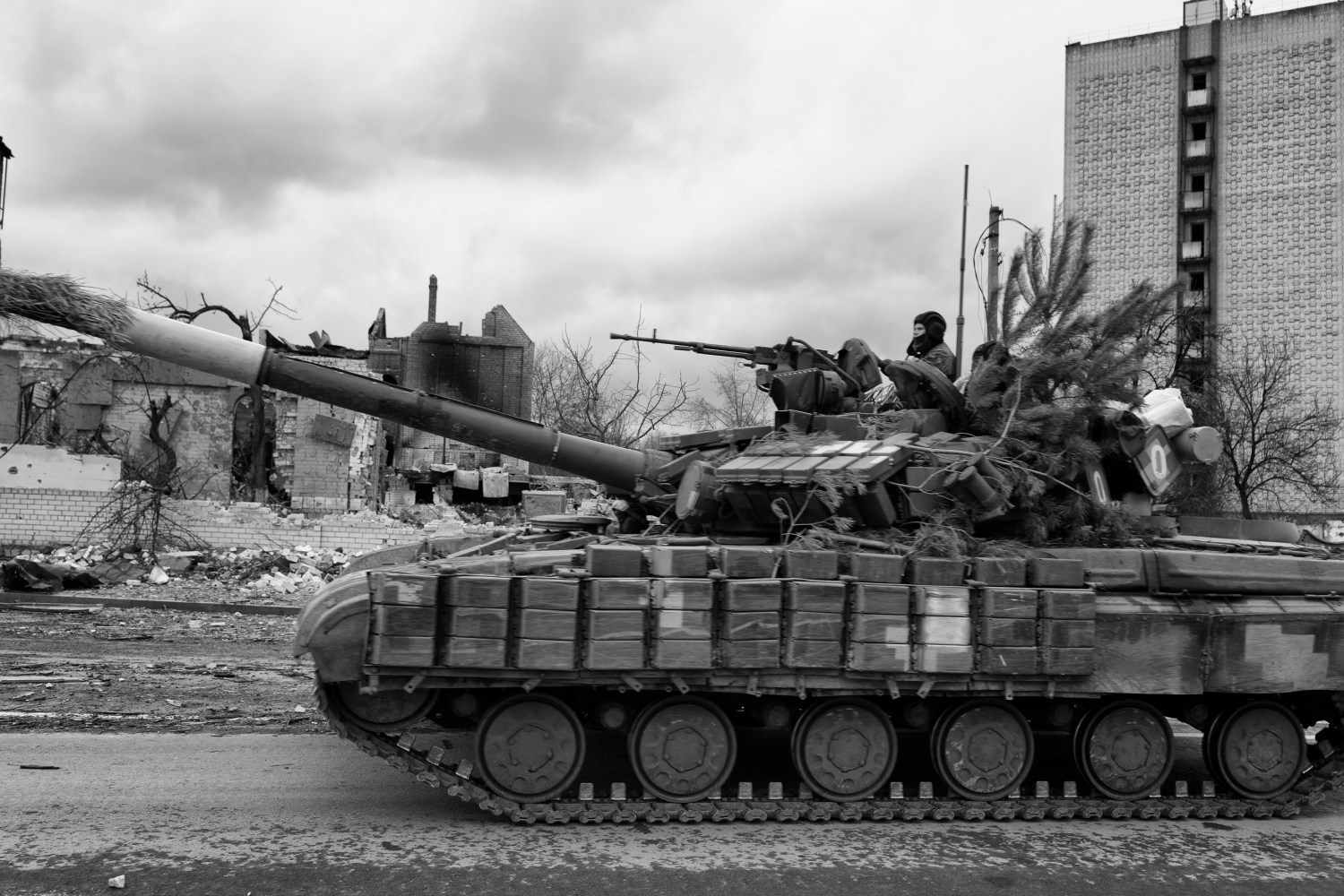
Chernihiv, Oblast, Ukraine, April 6, 2022. ©Ada Trillo

To see more of Ada’s work, here.
La fotógrafa del mes de julio es Ada Trillo
Ada Trillo es una artista mexicano-estadounidense queer de primera generación que fusiona documental y bellas artes en su fotografía. Crecer en la frontera entre Juárez, México y El Paso, Texas, le ha dado una comprensión íntima de la frontera. Esto la ha inspirado a explorar fronteras nacionales y metafóricas de desigualdad en su trabajo. Se centra en los muros de inclusión y exclusión, como los basados en el clima y la violencia relacionados con la migración, así como en las exclusiones internas resultantes de barreras de raza, clase, género y traumas de larga data que han sido influenciados por la colonización.
Las fotografías de Trillo están incluidas en las colecciones permanentes de museos e instituciones de renombre, como la Biblioteca del Congreso, el Museo de Arte de Filadelfia, el Museo de Bellas Artes de Houston y el Museo de Arte de Cleveland.
Ada Trillo recibió la beca de fotografía de la John Simon Guggenheim Memorial Foundation en 2024, la beca del Pew Center for Arts & Heritage en 2022, el premio Eddie Adams Workshop Canon en 2022, el premio Female In Focus en 2020, el premio Leeway Foundation Transformation Award, el Me & Eve Grant con el Centro de Artes Fotográficas de Santa Fe. Además, recibió el primer lugar en la categoría editorial en los Tokyo International Foto Awards.
La primera monografía de Trillo, La Caravana Del Diablo: On the Run from the Northern Triangle to America, fue publicada por Komma (Países Bajos) en 2021. Es un relato poderoso de siete años de viajes con refugiados y migrantes de Centroamérica a Estados Unidos. Frontera de México.
Las fotografías de Trillo se han publicado en publicaciones de renombre, incluidas The Guardian, Vogue, Smithsonian Magazine y Mother Jones. Trillo ha exhibido su trabajo a nivel mundial, incluso en la ciudad de Nueva York, Filadelfia, Luxemburgo, Inglaterra, Italia, Alemania y Japón. Tiene títulos del Istituto Marangoni de Milán y de la Universidad Drexel de Filadelfia. Trillo también es miembro de The Diversify Photo Community.
The Ukrainian War Through the Latin American Eye
Actualmente nos enfrentamos al mayor número de personas desplazadas a la fuerza en la historia.
La Agencia de la ONU para los Refugiados estima que hay más de 110 MILLONES de personas desplazadas a la fuerza en todo el mundo. Escapar de sus hogares como resultado de persecución, conflicto, violencia, violaciones o acontecimientos de derechos humanos. Se estima que 43,3 millones (40%) son niños menores de 18 años.
La forma en que puedo contribuir a la conversación es utilizar mi fotografía como herramienta para ayudar a lograr un cambio político. Además, como artista y activista, busco crear una experiencia multifacética para mi audiencia. Trabajo para crear un espacio discursivo que sea más profundo, más comprometido y empático para salvar las divisiones sociales, raciales, de género y políticas que impiden el cambio social.
El 29 de marzo de 2022 viajé a Polonia y luego tomé el tren a Ucrania para recorrer el difícil viaje con quienes se habían visto obligados a partir debido a la invasión rusa. El objetivo de mi vida es acompañar a refugiados de todo el mundo en sus viajes hacia una vida de libertad para contar sus historias al mundo. Si más personas pudieran ver lo que experimentan los refugiados, habría más empatía y apoyo para brindar más ayuda y protección al pueblo ucraniano que sufre crímenes de guerra infligidos por Rusia.
En el centro de esta crisis está el asombroso número de personas desplazadas. El Alto Comisionado de las Naciones Unidas para los Refugiados (ACNUR) estima que más de 10 millones de personas han sido desplazadas internamente dentro de Ucrania y más de 5 millones han buscado refugio en países vecinos. Este éxodo masivo ha ejercido una inmensa presión sobre los recursos y la infraestructura de la región, convirtiéndolo en el mayor desde la Segunda Guerra Mundial.x
Países como Polonia, Hungría y Rumania han abierto sus fronteras a los refugiados ucranianos, pero están luchando para hacer frente a la afluencia. Estos países enfrentan desafíos para brindar alojamiento, alimentos, atención médica y otros servicios esenciales adecuados a la población desplazada. La situación es particularmente grave para los grupos vulnerables como las mujeres, los niños y los ancianos.
En respuesta a la crisis, las Naciones Unidas y otras organizaciones humanitarias están trabajando incansablemente para brindar asistencia a los refugiados. Sin embargo, la magnitud de la crisis es abrumadora y existe una necesidad apremiante de más apoyo internacional. La comunidad internacional debe unirse para garantizar que los refugiados reciban la ayuda y protección necesarias.
El futuro de la crisis de refugiados sigue siendo incierto. No está claro cuánto durará el conflicto en Ucrania ni cuántas personas más se verán obligadas a huir de sus hogares. Se teme que la crisis se prolongue y deje a los refugiados en el limbo durante un período prolongado.
Abordar la crisis de refugiados requiere un esfuerzo integral y coordinado por parte de los gobiernos, las organizaciones internacionales y la sociedad civil. Es crucial brindar asistencia humanitaria inmediata a los refugiados, incluidos alimentos, refugio, atención médica y apoyo psicosocial. También son esenciales soluciones a largo plazo, como promover soluciones pacíficas al conflicto y crear vías para que los refugiados reconstruyan sus vidas.
Las personas también pueden marcar la diferencia ayudando a los refugiados de la guerra de Ucrania. Existen numerosas formas de contribuir, como donar a organizaciones humanitarias, ser voluntario en refugios para refugiados o contactar a funcionarios electos para abogar por más apoyo para los refugiados. Cada acto de bondad y solidaridad puede ayudar a aliviar el sufrimiento de quienes han sido desplazados por este devastador conflicto.
Para ver más de los trabajos de Ada, aquí.
 foto-feminas.com